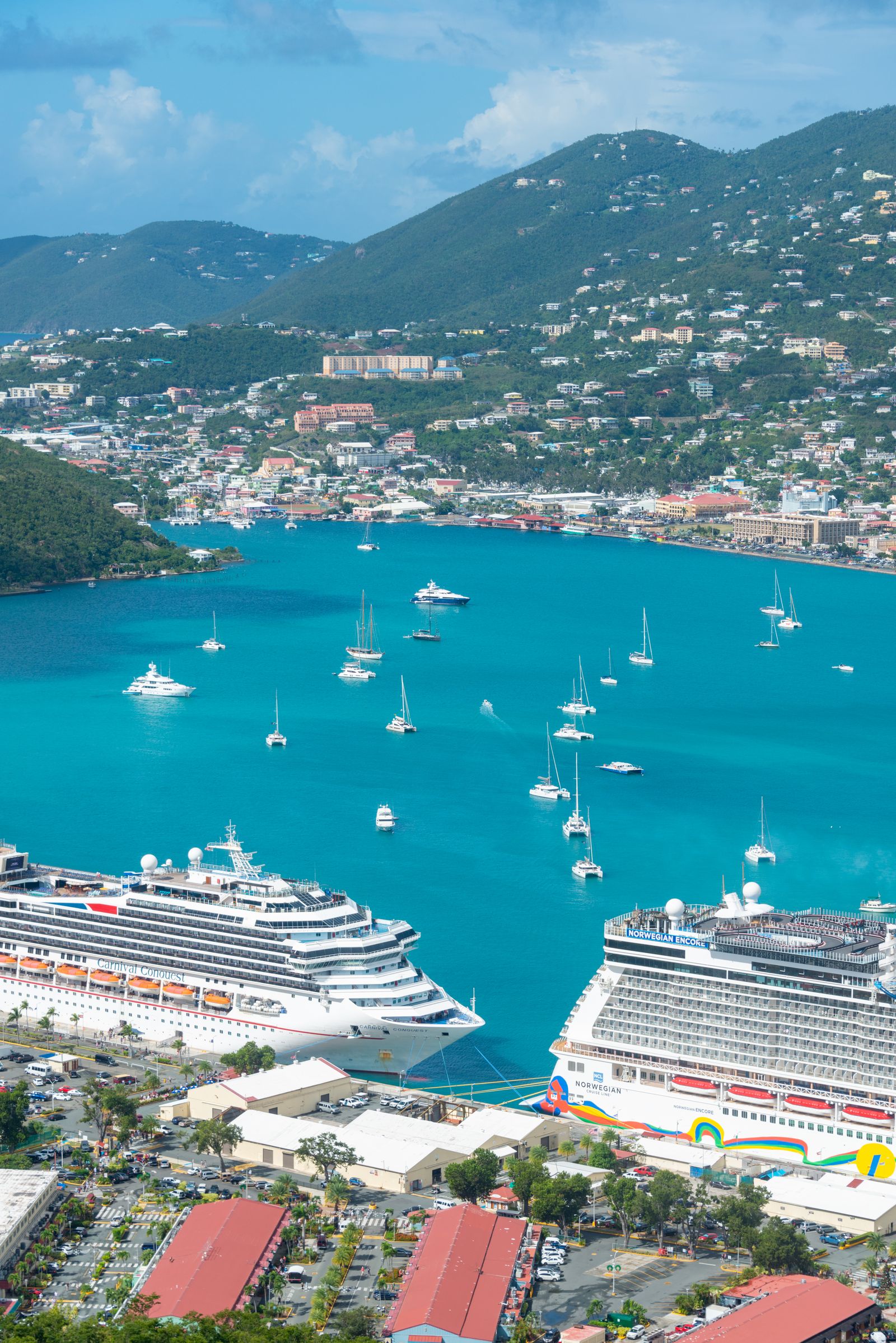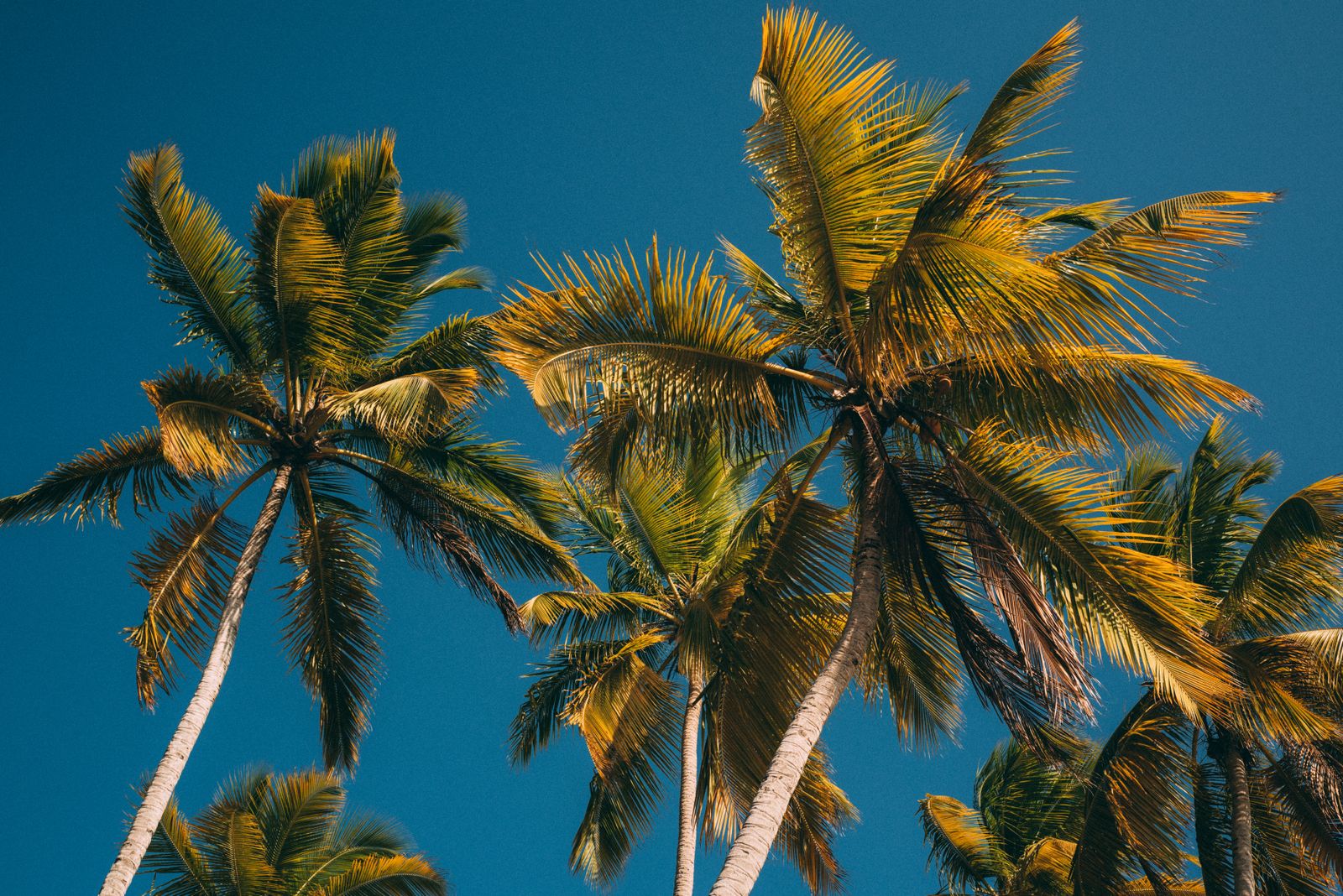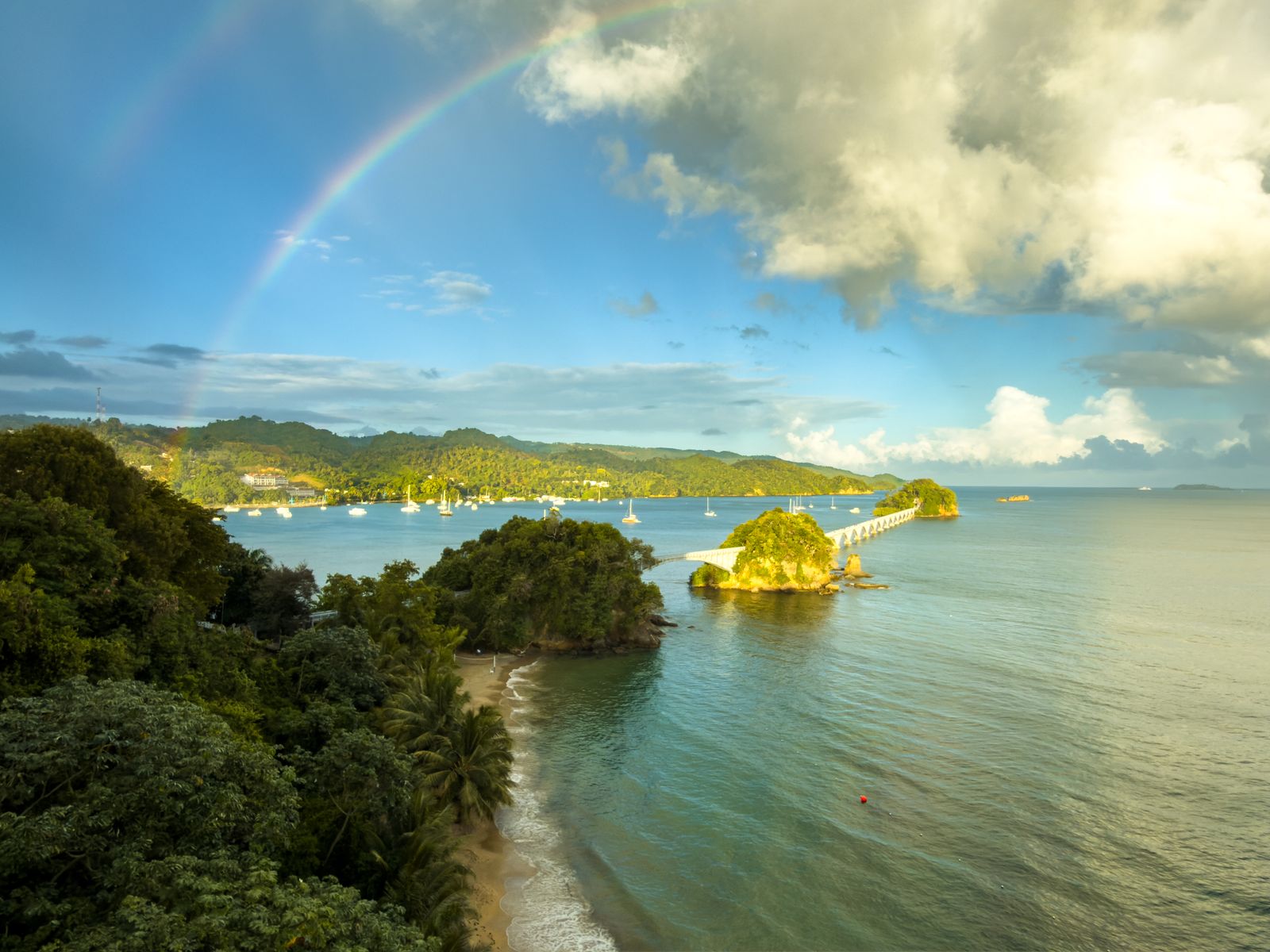
Samaná: por que as viagens sustentáveis pela natureza estão se tornando uma parte maior da história do destino
Whales, waterfalls, coastal villages and protected landscapes give Samaná a tourism identity built around nature.
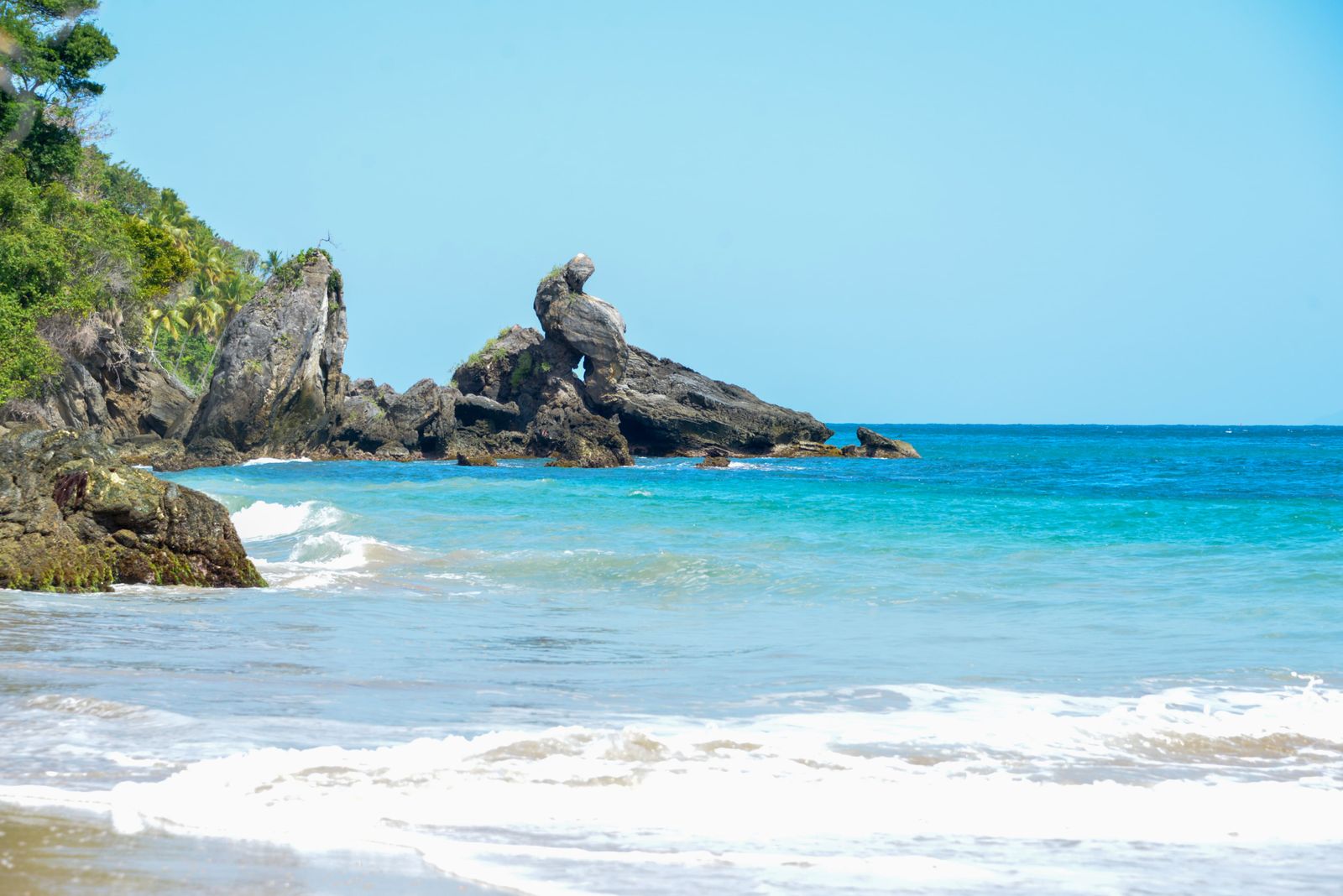
Whales, waterfalls, coastal villages and protected landscapes give Samaná a tourism identity built around nature. This is more than an industry headline: changes in visitor volume, infrastructure, hotels, ports and destination planning can directly affect how a traveler should organize transportation, excursion timing and the amount of advance planning needed.
What the update means
Samaná combines whale watching from January to March, El Limón waterfall, Cayo Levantado, Playa Rincón, Las Galeras and access to Los Haitises.
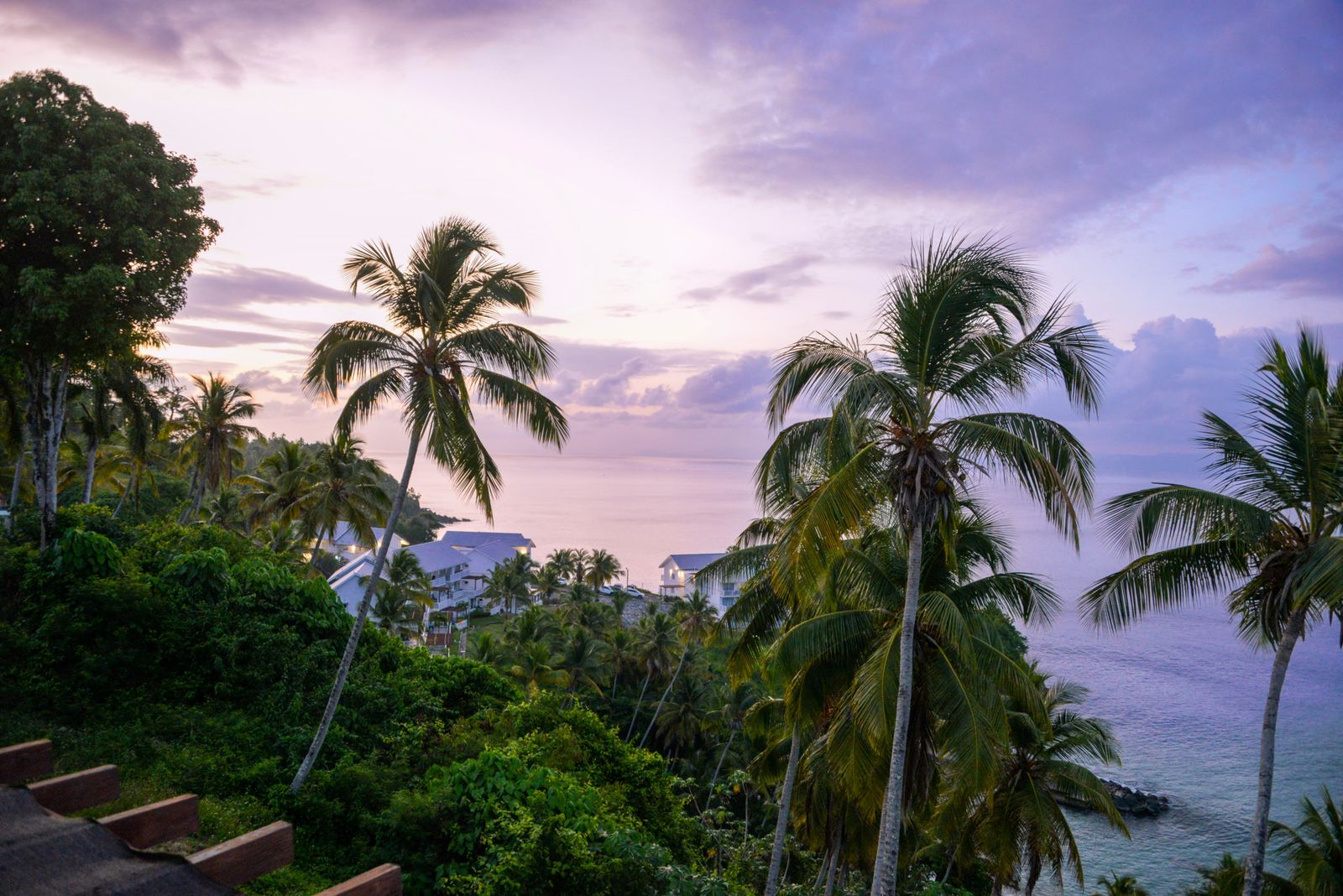
Samaná is one of the country’s strongest nature destinations, combining a mountain-backed bay, waterfalls, offshore cays, Atlantic beaches, coastal towns and seasonal humpback-whale watching. That wider context matters because a tourism announcement rarely exists in isolation. New rooms need ground transportation, stronger visitor numbers increase demand for the most popular excursions, and infrastructure changes can alter pickup, airport or cruise-day logistics.
Why travelers should pay attention
For a visitor, the practical question is not simply whether tourism is growing. The useful question is how that growth changes the trip. Busy arrival periods can mean longer airport or hotel check-in lines. High occupancy can make same-day bookings more difficult. New development can create more dining and lodging choices, while new transport infrastructure may change the best way to move between an airport, resort, marina and excursion departure point.
Travelers who want specific experiences—especially Saona Island, popular ATV and buggy departures, private boats, fishing, golf, spa appointments or long-distance transfers—benefit from reserving the most important parts of the itinerary first and leaving unstructured time around them. This is particularly important for groups, because availability for larger vehicles and multiple tour units disappears faster than availability for one or two travelers.
What to experience around Samaná
The destination has enough variety to build a trip around different styles rather than repeating the same beach day. Good anchors include:
- humpback-whale watching from January to March
- El Limón waterfall
- Cayo Levantado
- Playa Rincón and Las Galeras
- Los Haitises and Las Terrenas
The strongest itineraries normally group activities by geography. A traveler staying in Punta Cana, for example, should avoid combining a long eastern excursion and a distant city visit on the same day. In Samaná or Puerto Plata, the same principle applies because attractions can sit on opposite sides of a province.
Transportation and timing matter
Samaná is a peninsula, not a single compact resort zone. Las Terrenas, Santa Bárbara de Samaná, Las Galeras and El Catey can be far apart, so route planning and pickup location are especially important.
Before confirming any activity, verify three different times: the tour start time, the transportation pickup window and the approximate return. They are not the same thing. Shared transportation can include stops at other hotels, while private transportation is usually more direct. On flight or cruise days, build a conservative margin rather than relying on the shortest possible travel estimate.
Traveler planning note
Use major tourism news as a reason to double-check logistics, not as a reason to rush the itinerary. Confirm the exact meeting point, keep the operator’s contact number available, and avoid placing a non-refundable activity too close to a flight, cruise departure or intercity transfer.
How this fits into a complete Dominican trip
The Dominican Republic works best when travelers recognize that each tourism zone has its own character. Punta Cana is efficient for resort stays and a large excursion inventory; Bayahíbe is especially useful for Saona and Caribbean marine activities; Samaná emphasizes nature and coastal exploration; Puerto Plata mixes history, beaches and adventure; Santo Domingo adds urban culture; and the southwest rewards travelers who can dedicate more time to long road journeys and protected landscapes.
For Samaná, the most useful takeaway from this update is simple: the destination is active and changing. Travelers should use current information, book priority experiences early during high-demand periods and keep transportation planning as an integral part of the vacation rather than an afterthought.