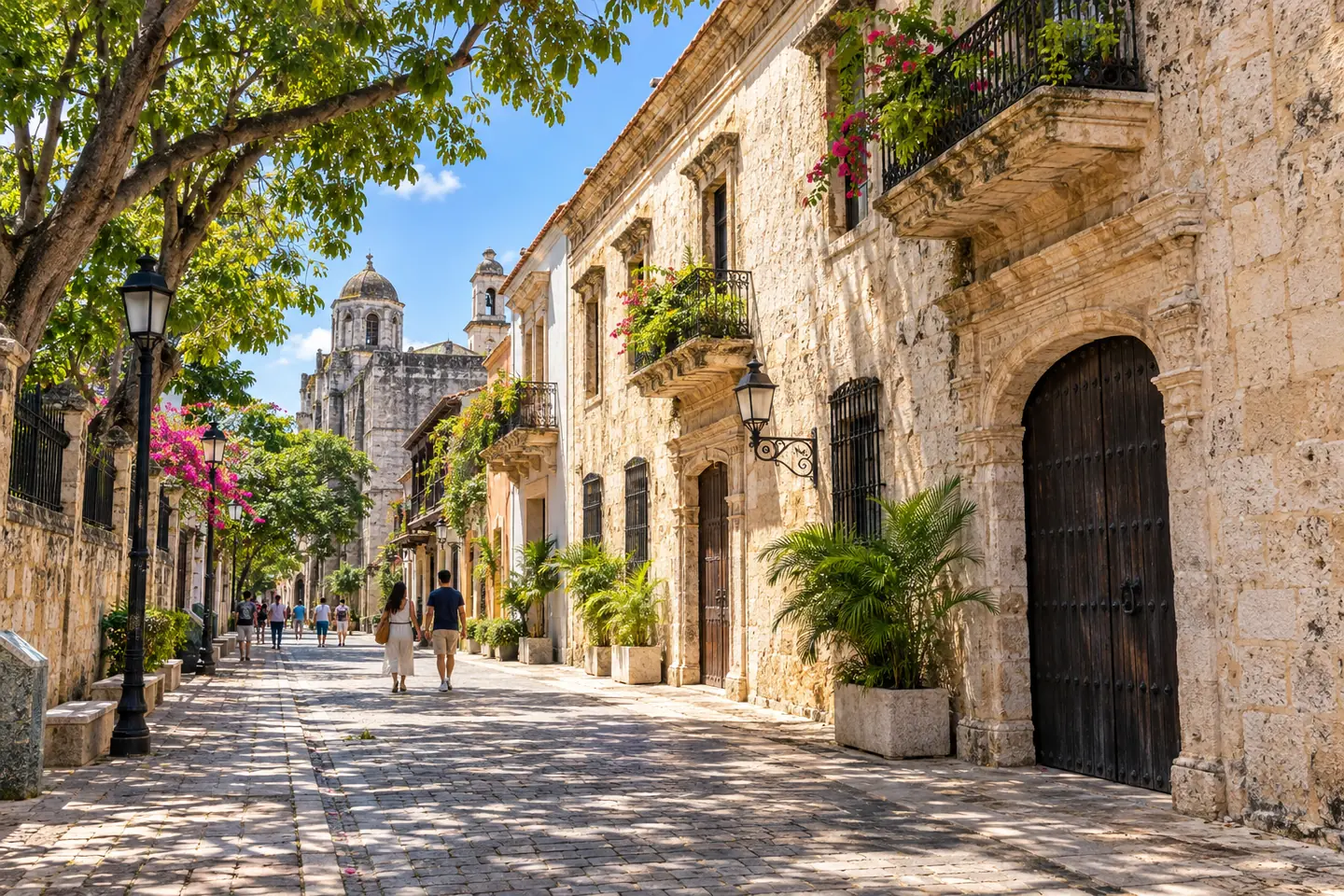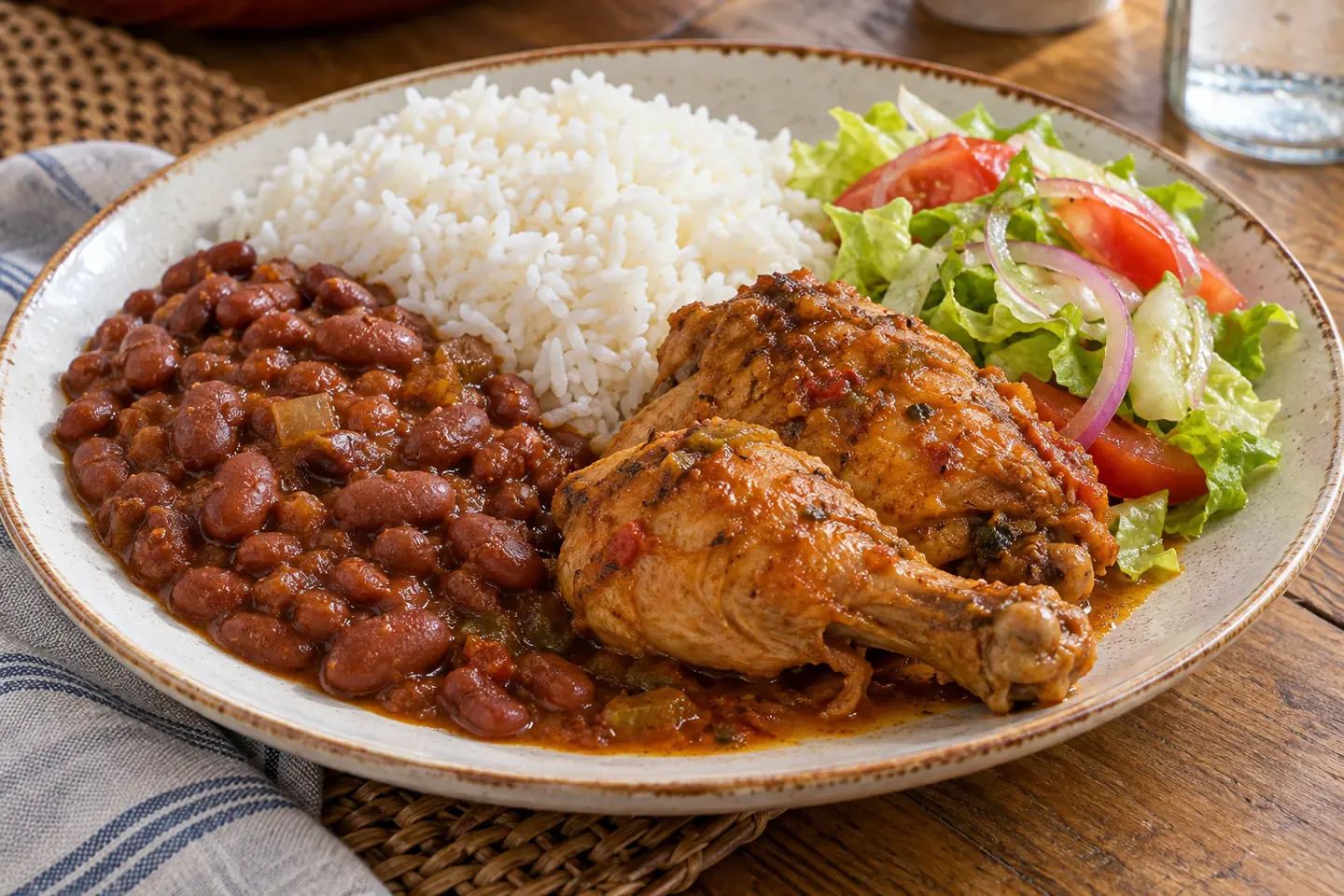
Merengue: The Dominican Rhythm Recognized as Intangible Heritage
Merengue is a social tradition that links music, dance and community life across the Dominican Republic.
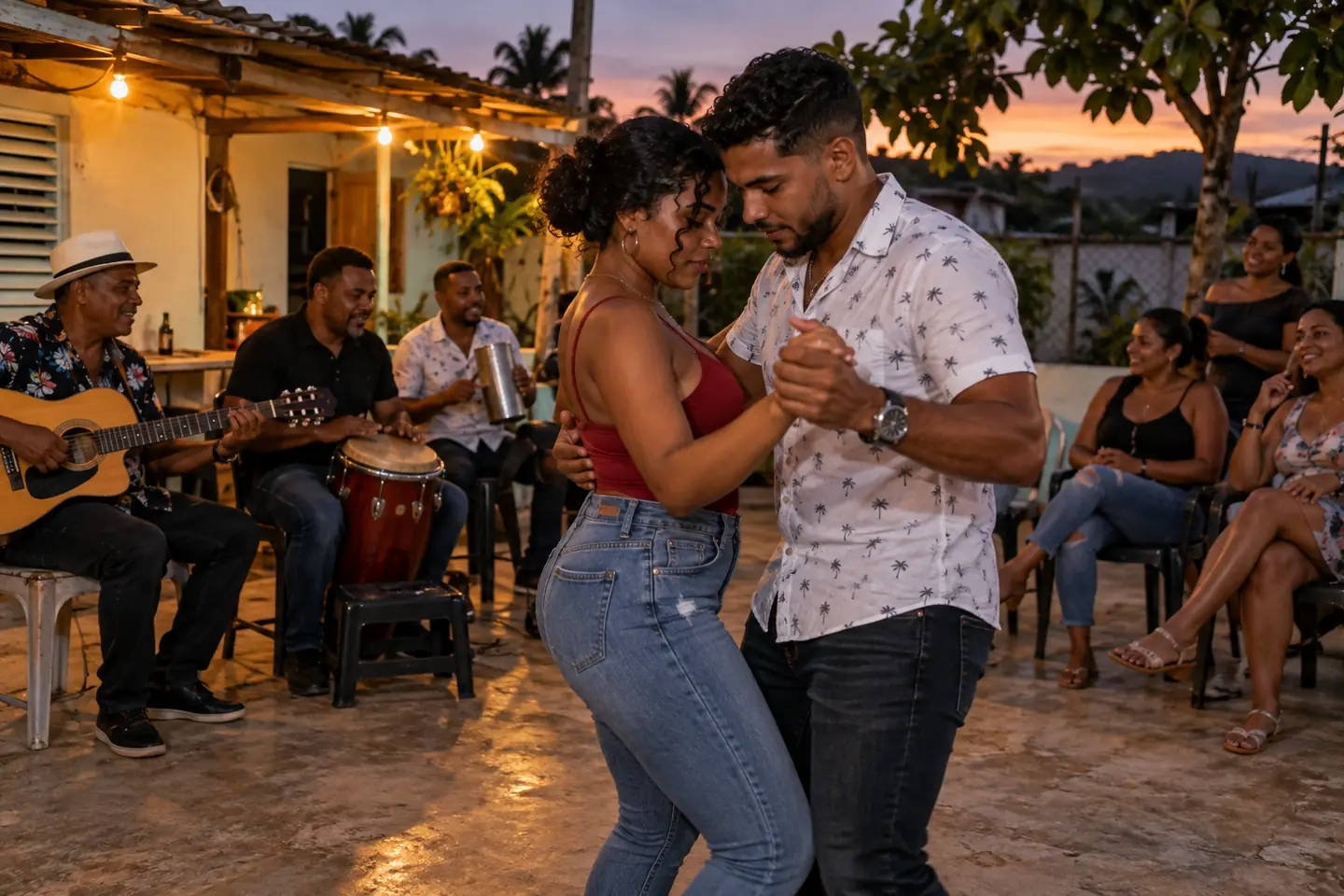
Merengue is part of everyday Dominican culture, from family celebrations to public gatherings. UNESCO added the music and dance of merengue in the Dominican Republic to its Representative List of Intangible Cultural Heritage in 2016.
A rhythm carried through daily life
UNESCO describes merengue as a tradition practiced in social settings and celebrations, with knowledge passed through observation, participation and imitation. Dancers move in pairs to music commonly associated with accordion, drum and saxophone.
Because the tradition lives in communities, a visitor may encounter it at a festival, a neighborhood event or a small live-music venue. The setting matters: listen, learn a few steps and join only when the host welcomes participation.
Experience it with respect
Ask before filming performers or guests, and support local musicians when a venue or event offers that option. If your visit is tied to a festival, verify the date and program with the official organizer because schedules can change year to year.
Merengue is not only a stage performance; it is a social practice. Paying attention to the people who keep it alive makes the experience more meaningful than collecting a quick clip for social media.
Quick planning notes
- Check local event listings for current music performances.
- Ask permission before photographing people at close range.
- Approach a dance floor with curiosity and follow the host’s lead.
Public sources
Public destination and cultural references checked on October 23, 2026. Access, schedules, conditions and travel requirements can change; confirm current details with the relevant authority or operator.